


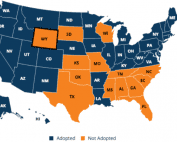
Health Insurance 101 for the Emergency Physician
A 28 year-old single man with type I diabetes mellitus presents to your busy Texas emergency department in diabetic ketoacidosis (DKA). This is his third hospitalization for DKA in 5 months. When you ask the patient about his current medication regimen, he admits that he frequently skips doses as a cost-savings measure. He shares that he works 45 hours a week at a small local grocery store, makes minimum wage ($15,660 pretax), and has no health insurance. His prescribed insulin regimen, consisting of Lantus at bedtime and Humalog with meals, costs approximately $600 a month. [+]

The Leader’s Library | Dare to Lead: Brave Work. Tough Conversations. Whole Hearts.
We proudly introduce ALiEM’s newest series, The Leader’s Library, with Dr. Brené Brown’s newest book, Dare to Lead! Have you ever gotten to work with someone who just “got it?” Someone who inspires greatness in all people with whom s/he worked, seemingly effortlessly, all the while maintaining humility and approachability? What about the converse– have you ever worked with someone who just seems out of touch with the rest of the team, failing to unite the group under a common goal, leaving the team members feeling unheard and voiceless? Unfortunately, we’ve all probably worked more [+]

ALiEM is Growing
You’ve probably noticed by now, but ALiEM is going through some pretty significant changes–especially in the way that the site looks and feels. We’ve shifted the platform that was used to create ALiEM and taking a few minutes to explain why. [+]

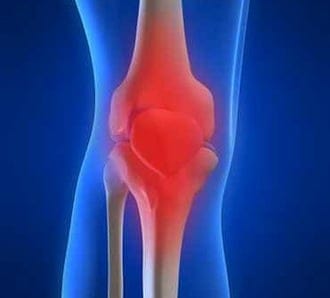
SplintER Series: 2-Minute Knee Exam | Leg Day #3 | MSK Exam Series
Welcome to Leg Day #3 of the SplintER Series! Performing a fast and focused history and physical examination of a patient with an acute knee injury is an important skill that has the potential to be overlooked in our busy Emergency Departments. Our hope is that after reviewing this post and with enough practice you will be able to complete your exam within 2 minutes! These are can't-miss points and expert tips on the knee exam for your next shift in the ED. Read more

Teaming Tips Case 7: Teaming Culture | ALiEM Faculty Incubator
Many of you are asked to take a leadership role in leading a team, whether it’s for research, administration, or even clinical. It is easy to feel unprepared for these roles, and there are many pitfalls waiting to sabotage your group’s teaming culture. The ALiEM Faculty Incubator has created a series of 10 case-based teaming problems to provide you with evidence-based advice and solutions for tackling some of the more common problems encountered in our professional team experiences. [+]

ALiEM AIR | Stroke Module
Welcome to the Stroke Module! After carefully reviewing all relevant posts from the top 50 sites of the Social Media Index, the AIR Team is proud to present the highest quality online content related to Stroke emergencies. 7 blog posts within the past 12 months (as of October 2018) met our standard of online excellence and were curated and approved for residency training by the AIR Series Board. We identified 0 AIR and 7 Honorable Mentions. We recommend programs give 3.5 hours (about 30 minutes per article) of III credit for this module. [+]

Beyond the Abstract: A Return to Work Policy for New Resident Parents
More women than men entered medical school in the United States for the first time in 2017. Will this generation also set new trends in parenting during their training? One study suggests that 40% of female residents plan to have a child while in residency.1 Can our graduate medical education system withstand even a modest increase in the number of resident parents? Can your hospital? [+]
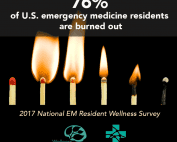
Study: High Prevalence of Physician Burnout Among Emergency Medicine Residents Across the U.S.
In March 2017, our ALiEM Wellness Think Tank launched an ambitious initiative to try to identify the prevalence rate of U.S. emergency medicine (EM) resident burnout across the country. No study to date had been done to assess this. Amazingly we got a response from over 1,500 confirmed U.S. EM residents from 193 residency programs purely through our social media, email listservs, and Wellness Think Tank outreach efforts. We measured burnout using the Maslach Burnout Inventory-Human Services Survey (MBI-HSS). This 22-item MBI-HSS is the most common, validated tool used to measure burnout in healthcare professionals. [+]

Top 5 Reasons to Join the 2019-20 Chief Resident Incubator
The ALiEM Chief Resident Incubator (“CRincubator”) launches its fifth class today. Every year’s class has a unique personality with wide-reaching projects. But all the chief residents share consistent characteristics – a deep dedication to resident education and wellness, a growth-minded approach to learning, and a desire for ongoing professional development. Are you an incoming chief resident in emergency medicine with a similar outlook, looking for a year-long community of your peers to share ideas with and bounce ideas off of? Want access to CRincubator alumni and respected educators in our field? Sign up early enough to attend our in-person launch [+]

Teaming Tips Case 6: Debunking Social Media Fears | ALiEM Faculty Incubator
Many of you are asked to take a leadership role in leading a team, whether it’s for research, administration, or even clinical. It is easy to feel unprepared for these roles, and there are many pitfalls waiting to sabotage your team’s productivity. The ALiEM Faculty Incubator has created a series of 10 case-based teaming problems to provide you with evidence-based advice and solutions for tackling some of the more common problems encountered in our professional team experiences. This case provide strategies for addressing some of the common social media fears among faculty. [+]