


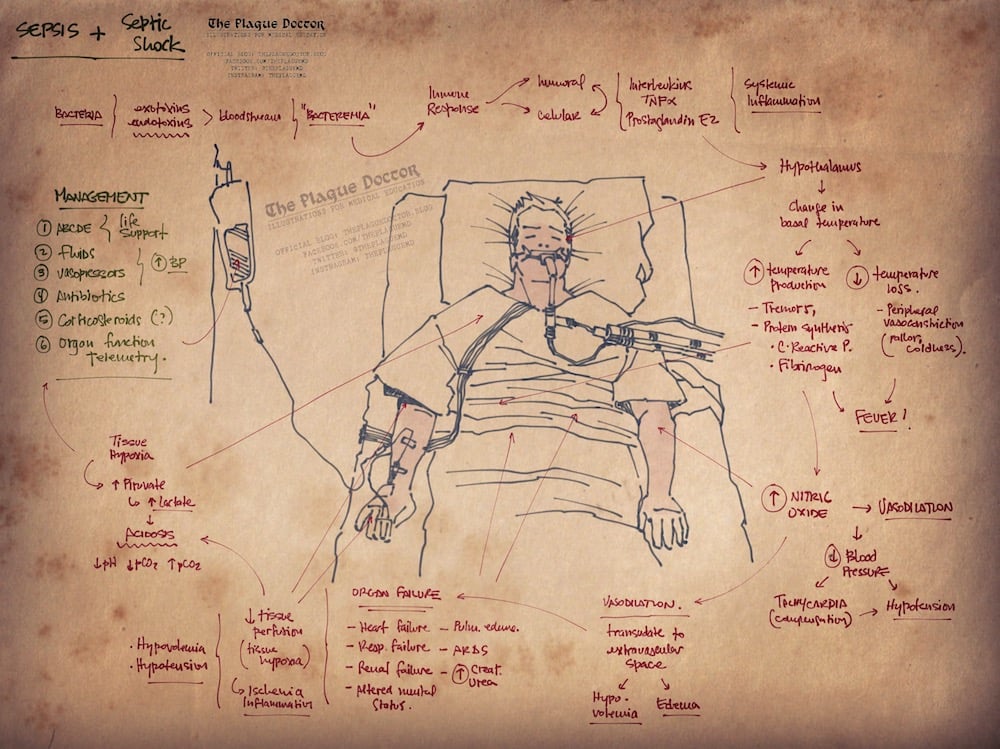
Infographic: Sepsis and Septic Shock
The definitions of sepsis and septic shock continue to evolve, but the management, including resuscitation and early antibiotics, remains a core skill of any successful EM provider. Dr. Augusto Saldana Miranda reviews these points, adding some parchment flare to his submission. [+]

ALiEMU Capsules Module 10: Concepts in Infectious Disease
We are proud to present Capsules Module 10: Concepts in Infectious Disease, now published on ALiEMU. Here is a summary of the key points from a stellar module by Drs. Meghan Groth and Paul Takamoto. When you’re finished, head over to the Capsules page for even more practical pharmacology for the EM provider. [+]
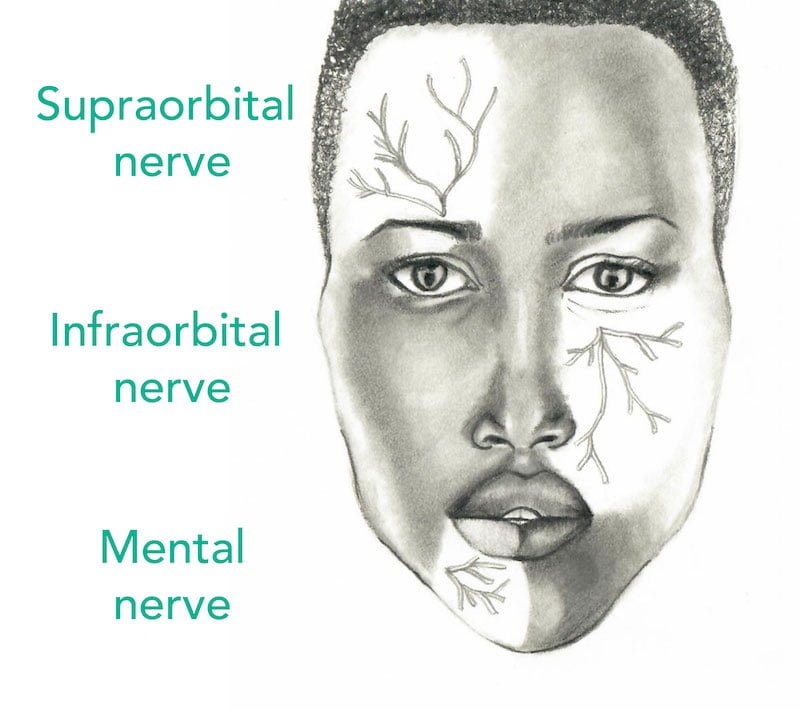
PEM Pearls: Regional Facial Nerve Blocks
Regional nerve blocks of the face and ear can be a wonderful choice of analgesia in a child, particularly for wounds that need to be repaired. The benefits include fewer local injections, improved cosmesis due to less wound margin distortion, and improved analgesia within the nerve region.1,2 The following blog post and brief video tutorial review the key elements of this technique. [+]

Ashley Foster, [+]

12 Must-Know EM Pharmacotherapy Articles of 2017
Welcome to the 4th annual installment of our must-know Emergency Medicine pharmacotherapy articles post, this time for 2017. We summarize some important EM pharmacotherapy articles from the last 12 months. We have tried to focus on articles that you may have missed, but are potentially high-impact for improving clinical practice in the ED. Without further ado, we present the 12 must-know EM pharmacotherapy articles of 2017. [+]

Prochlorperazine, Metoclopramide, and Diphenhydramine for Acute Migraine Headache
The 2016 American Headache Society (AHS) released recommendations on managing adults with acute migraine headaches.1 In the November 2017 EM:RAP LIN Sessions podcast episode that I recorded, I realized that I overgeneralized several statements about anti-dopaminergic agents and the use of concurrent diphenhydramine for akathisia risk reduction. So I wanted to clarify things and share a deeper-dive on the topic, thanks to the constructive feedback and help of headache guru Dr. David Vinson and EM pharmacists Dr. Curtis Geier, Dr. Bryan Hayes, and Dr. Zlatan Coralic. Below summarizes the nuanced thought processes in the anti-dopaminergic treatment of migraines. [+]

Trick of the Trade: Fishhook Removal Techniques
Penetrating fishhook injuries can be a common occurrence during the warm weather months. Initially, it is important to evaluate what type of fishhook was being used. How many and where are the barbs? What shape is it (treble hook, single hook)? The physical examination requires a thorough neurovascular exam and, if penetration depth is difficult to assess, radiographs should be utilized for further evaluation. What approach do you use to remove these barbed fishhooks? [+]
Top 10 ALiEM Clinical Posts in 2017
Seasons greetings from the ALiEM team. We have published so many posts this year that you may have missed a few. Did you at least catch the top 10 ALiEM clinical posts in 2017? These are the most-viewed posts in the past calendar year. From nerve blocks, to managing epistaxis, head bleeds, and providing post-ROSC care – check these out as you ring in the New Year! [+]
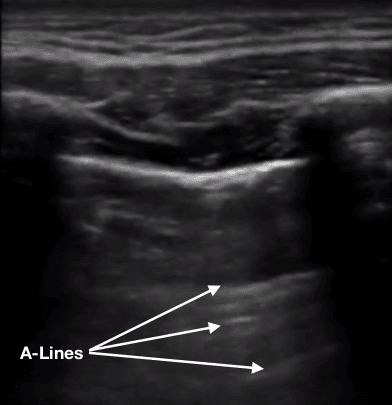
PEM Pearls: Pediatric Lung Ultrasound for Diagnosing Pneumonia | The Wave of the Future
The standard for diagnosing pneumonia is a combination of the clinical history, physical examination, and chest x-ray (CXR) findings. However, lung ultrasound (US) has been shown to be a reasonable alternative to CXR in children, and may be an appropriate alternative diagnostic imaging modality in the Emergency Department (ED). [+]

Jessica Zhang, MD
University of California San Francisco
60 Second Soapbox: Autoimmune Disease, Ultrasound Teaching, 3rd Nerve Palsy
It’s time for another installment of 60 Second Soapbox! Each episode, 1 lucky individual gets exactly 1 minute to present their rant-of-choice to the world. Any topic is on the table – clinical, academic, economic, or whatever else may interest an EM-centric audience. We carefully remix your audio to add an extra splash of drama and excitement. Even more exciting, participants get to challenge 3 of their peers to stand on a soapbox of their own! [+]

AIR Series: Gastrointestinal 2017
Welcome to the Gastrointestinal Module! After carefully reviewing all relevant posts from the top 50 sites of the Social Media Index, the ALiEM AIR Team is proud to present the highest quality online gastrointestinal content. 8 blog posts related to gastrointestinal emergencies within the past 12 months (as of September 2017) met our standard of online excellence and were curated and approved for residency training by the AIR Series Board. We identified 1 AIR and 7 Honorable Mentions. We recommend programs give 3 hours (about 22.5 minutes per article) of III credit for this module. [+]

Director of Growth, Strategic Alliance Initiative, Center for Innovation and Digital Health
Massachusetts General Hospital;
Chief Scientific Officer, Conductscience.com
Latest posts by Shuhan He, MD (see all)
- The Discharge Severity Index: Early Research on ED Readmission Risk Assessment - August 14, 2025
- Suboxone and the Emergency Physician: Get Waivered Training - August 12, 2022
- A Tale of Two Epidemics: COVID-19 and the Opioid Crisis - April 23, 2020