



ALiEM’s Greatest Hits for Interns: A Curated Collection of High-Yield Topics
Congratulations, you’ve made it! On July 1, thousands of medical students across the country made the transition to becoming Emergency Medicine residents. It was a particularly competitive year for Emergency Medicine, with 99.7% of first-year spots filled despite a whopping 2,047 positions being offered in 2017 (up by 152 spots compared to last year).1 Now begins the most crucial 3 or 4 years of your medical training that will prepare you for the rest of your career in Emergency Medicine. [+]
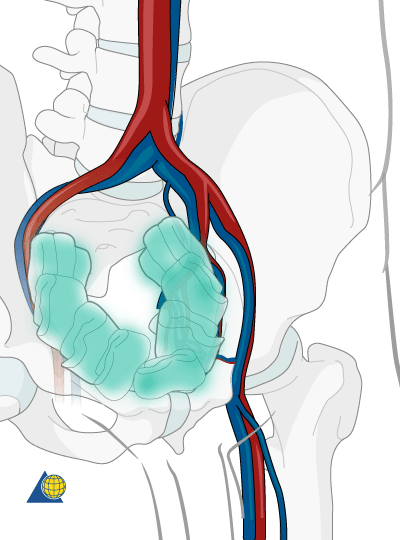
Management of Major Pelvic Trauma
Pelvic trauma frequently is associated with other injuries from the high force required to break the pelvis. Management is focused on stabilizing the pelvis and stopping the bleeding. Due to other injuries requiring emergent surgical stabilization, pelvic trauma is primarily managed surgically with pre-peritoneal packing and external fixation, followed by angioembolization for continued bleeding. Emergency physicians must quickly resuscitate patients while gathering vital information to direct the correct definitive bleeding control strategy. New endovascular techniques such as REBOA (Resuscitative Endovascular Balloon Occlusion of the Aorta) may change future emergency department strategies and improve mortality in severe pelvic trauma. [+]
ED Charting and Coding: Critical Care Time
After a STEMI activation from the field on Monday morning, the cardiac catheterization team scoops the patient away shortly after the paramedics arrive in the Emergency Department (ED). “Well that was a smooth and seamless resuscitation. The patient was barely in the ED for more than 15 minutes,” you think to yourself. You diligently complete your critical care documentation, noting 20 minutes of critical care time, before seeing your next patient. A few weeks later the chart is bounced back and noted as an erroneous documentation of critical care time. The coding department notifies you that the case will be [+]

Ultrasound for the Win! 53M with Right Index Finger Swelling #US4TW
Welcome to another ultrasound-based case, part of the “Ultrasound For The Win!” (#US4TW) Case Series. In this case series, we focus on a real clinical case where point-of-care ultrasound changed the management of a patient’s care or aided in the diagnosis. In this case, a 53-year-old man with history of diabetes mellitus presents with right index finger swelling. [+]

ACMT Toxicology Visual Pearls: Discolored Skin and Urine
A patient is brought to the Emergency Department by EMS (Emergency Medical Services) from a house fire. The patient’s skin and urine are discolored as shown. What is the most likely cause of the discoloration? Acute liver failure An antidote administered by prehospital provider Carbon monoxide poisoning Massive hemolysis [+]
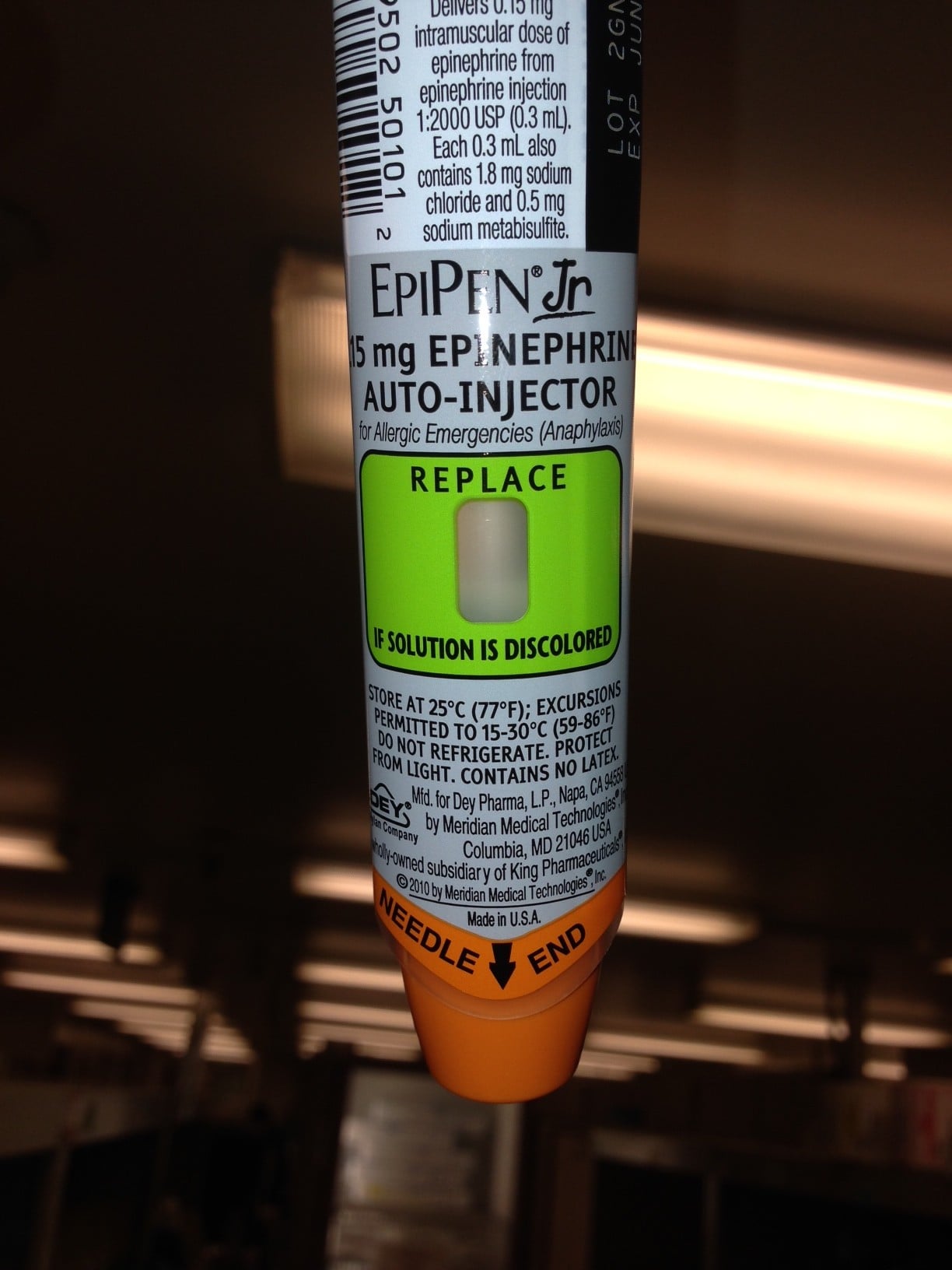
My EpiPen expired! Can I still use it?
The above question is common from patients with a history of an allergic reaction seen for a repeat emergency department visit. The manufacturers of EpiPen caution not to use the pen beyond the expiration date, and if the drug solution becomes discolored (oxidation). But EpiPens are expensive! Is there harm in using the pen beyond the expiration date? What should we tell our patients?1 [+]
PEM Pearls: Treatment of Pediatric Diabetic Ketoacidosis and the Two-Bag Method
Insulin does MANY things in the body, but the role we care about in the Emergency Department is glucose regulation. Insulin allows cells to take up glucose from the blood stream, inhibits liver glucose production, increases glycogen storage, and increases lipid production. When insulin is not present, such as in patients with Type 1 diabetes mellitus (DM), all of the opposite effects occur. [+]
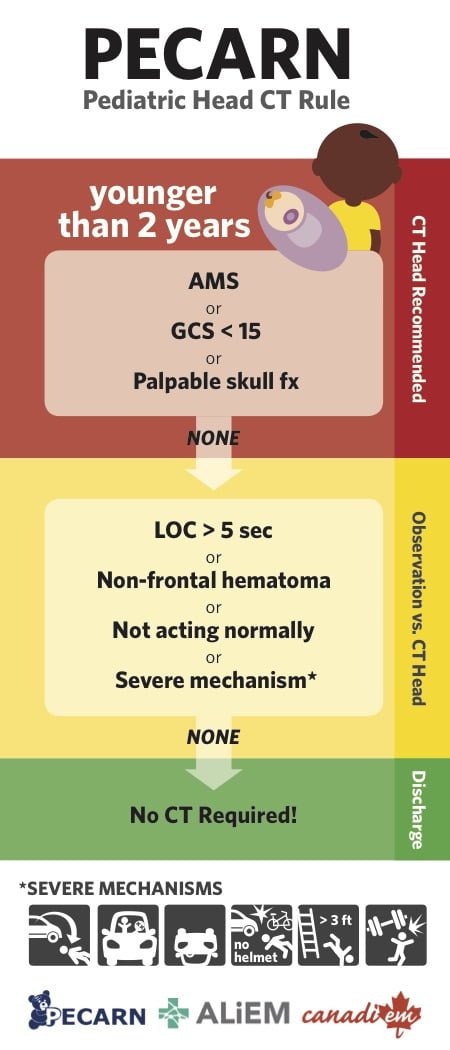
PECARN Pediatric Head Trauma: Official Visual Decision Aid for Clinicians
The Pediatric Emergency Care Applied Research Network (PECARN) collaborative has teamed up with the ALiEM and CanadiEM teams to introduce the official PECARN visual decision rule aid for pediatric blunt head trauma! This has been a 6 month collaboration focused on bringing evidence-based research to the bedside in pediatric emergency medicine (EM). [+]

AIR Series: Toxicology Module (2017)
Welcome to the Toxicology Module! After carefully reviewing all relevant posts from the top 50 sites of the Social Media Index the ALiEM AIR Team is proud to present the highest quality toxicology content. Below we have listed our selection of the 6 highest quality blog posts within the past 12 months (as of January 2017) related to Toxicologic emergencies, curated and approved for residency training by the AIR Series Board. More specifically in this module, we identified 0 AIRs and 6 Honorable Mentions. We recommend programs give 2 hours (about 20 minutes per article) of III credit for this module. As of June 2017, the AIR [+]
Envenomations: Initial Management of Common U.S. Snakebites
Nothing says “emergency” like a bite from a venomous reptile. If you work in an area populated by snakes, which covers most of the United States and the world, then chances are good that you will see a patient with a snake bite in the Emergency Department (ED). The severity of the symptoms and the treatment vary greatly with different snakes. In this post, we will outline the ED approach to and management of common U.S. snake envenomation. [+]

Director of Growth, Strategic Alliance Initiative, Center for Innovation and Digital Health
Massachusetts General Hospital;
Chief Scientific Officer, Conductscience.com
Latest posts by Shuhan He, MD (see all)
- The Discharge Severity Index: Early Research on ED Readmission Risk Assessment - August 14, 2025
- Suboxone and the Emergency Physician: Get Waivered Training - August 12, 2022
- A Tale of Two Epidemics: COVID-19 and the Opioid Crisis - April 23, 2020