


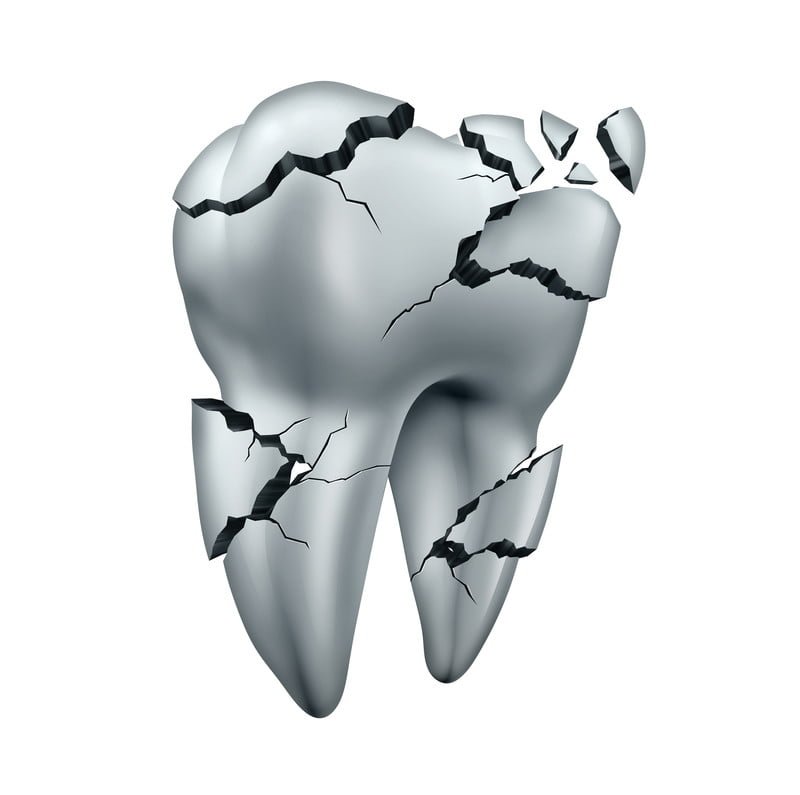
Trick of the Trade: A cleaner way to apply dental cement for a tooth fracture
The management of a dental fracture is a core skill of the emergency physician.1 When the enamel is violated and the underlying dentin is exposed (i.e. Ellis Class II or greater), the dental pulp becomes at risk.2 Protecting the exposed dentin in a timely manner, therefore, is paramount. This is best accomplished through the use of dental cements. The application of dental cement to a fractured tooth, while a relatively rare procedure, is one often fraught with difficulties. With many of the formulations requiring the rapid application of a fast-drying cement, time for accurate and clean application is limited. This often clumsy, [+]

AIR-Pro: Toxicology (Part 2)
Welcome to the Toxicology (Part 2) AIR-Pro Module. Below we have listed our selection of the 12 highest quality blog posts related to 5 advanced level questions on toxicology topics posed, curated, and approved for residency training by the AIR-Pro Series Board. The blogs relate to the following questions: One-pill-could-kill ingestions for pediatrics patients Decontamination techniques Physostigmine Alcohol Withdrawal High dose insulin therapy In this module, we have 8 AIR-Pro’s and 4 Honorable Mentions. To strive for comprehensiveness, we selected from a broad spectrum of blogs identified through FOAMSearch.net and FOAMSearcher. [+]
PV Card: Elbow Injuries
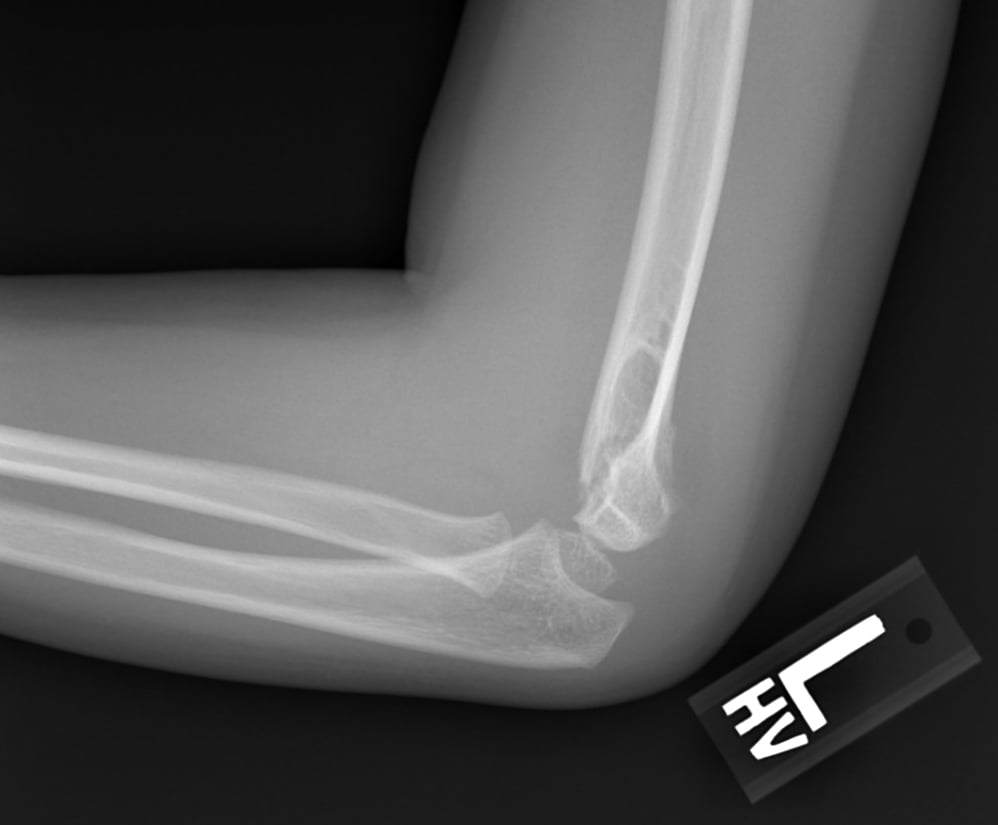
Elbow injuries are a common presentation to the Emergency Department. This pocket card reviews some the imaging, acute management, and some pearls for the following injuries: elbow dislocation, radial head subluxation, supracondylar fractures (such as the xray on the right), radial head fracture, epicondylitis, condyle fractures, and olecranon fracture. Thanks to Dr. Jonathon Hancock (Doctor's Hospital orthopedist) for the expert peer review. PV Card: Elbow Injuries View other PV Cards.

AIR Series: Infectious Disease Module (2016)
Welcome to the Infectious Disease Module! After carefully reviewing all relevant posts from the top 50 sites of the Social Media Index the ALiEM AIR Team is proud to present the highest quality procedure content. Below we have listed our selection of the 18 highest quality blog posts within the past 12 months (as of August 2016) related to Infectious Disease emergencies, curated and approved for residency training by the AIR Series Board. More specifically in this module, we identified 2 AIRs and 16 Honorable Mentions. We recommend programs give 6 hours (about 20 minutes per article) of III credit for this module. [+]

Ultrasound For The Win! Case – 40F with Fever, Chest Pain, Shortness of Breath
Welcome to another ultrasound-based case, part of the “Ultrasound For The Win!” (#US4TW) Case Series. In this case series, we focus on a real clinical case where point-of-care ultrasound changed the management of a patient’s care or aided in the diagnosis. In this case, a 40-year-old woman presents with a fever, chest pain, shortness of breath, cough, and generalized weakness. [+]

PV Card: LVAD Complications
Patients with left ventricular assist devices (LVAD) often cause much anxiety amongst providers in the emergency department. This is understandable with all of the hardware, diminished or absent peripheral pulses at baseline, and potential for complications. To add to the already helpful reviews about LVADs at REBELEM and emDocs, this is a PV card set providing a methodical approach to troubleshooting LVAD complications, including a reproduction of an algorithm for managing the LVAD patient with altered mental status from EMCrit.1–3 [Download PDF] John Greenwood, MD Assistant Professor Department of Emergency Medicine Department of Anesthesiology and Critical Care Hospital of the University [+]
PV Card: Knee Injuries | Quick Reference Guide
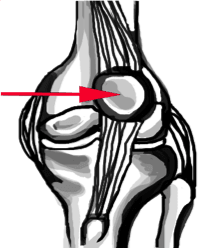
Orthopedic injuries are commonly managed in the emergency department. Often a quick bedside reference card is needed to remind the clinician about the acute management decisions. This is the third of a series of orthopedic quick reference cards written by a team from the 2015-16 ALiEM Chief Resident Incubator. The first two were on ankle and hindfoot fractures and hip injuries. This card set covers knee injuries, specifically patella fractures, patella dislocation, and knee dislocation. These cards were expert reviewed by Dr. Scott Sherman, co-editor of the Emergency Orthopedics textbook (Amazon), and illustrations were created by Dr. Mary Haas. [+]
ED Charting and Coding: Medical Decision Making (MDM)
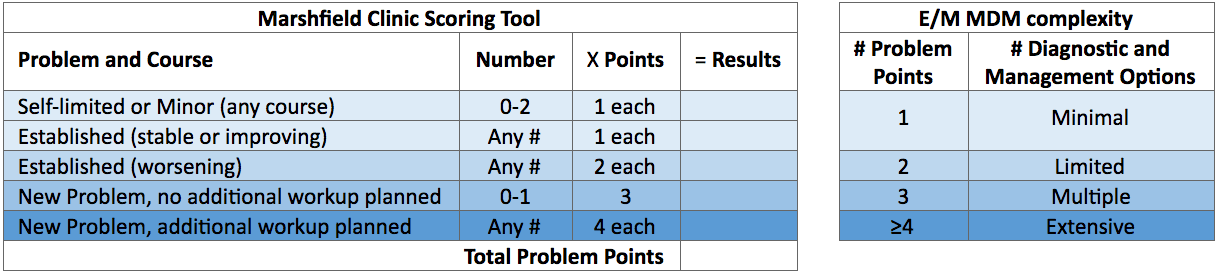
Editor’s Note (Jan 13, 2023): The new AMA CPT 2023 Documentation Guidelines have been published and the coding elements within the medical decision making section have been revamped. See the ACEP FAQ page on the 2023 Emergency Department Evaluation and Management (E/M) Guidelines. In this ED Charting and Coding Series, we have covered Introduction to ED Charting and Coding (PV Card); the History of Present Illness & Past Medical, Family, Social History; the Review of Systems; and the Physical Exam. At last we arrive at the crux of the chart: Medical Decision Making (MDM). In this final section, you show [+]

PV Card: Hip Injuries | Quick Reference Guide
Orthopedic injuries are commonly managed in the emergency department. Often a quick bedside reference card is needed to remind the clinician about the acute management decisions. This is the second of a series of orthopedic quick reference cards written by a team from the 2015-16 ALiEM Chief Resident Incubator. The first was on ankle and hindfoot fractures, and this card set covers hip injuries, such as hip dislocations and femur fractures. These cards were expert reviewed by Dr. Scott Sherman, co-editor of the Emergency Orthopedics textbook (Amazon), and illustrations were created by Dr. Mary Haas. [+]
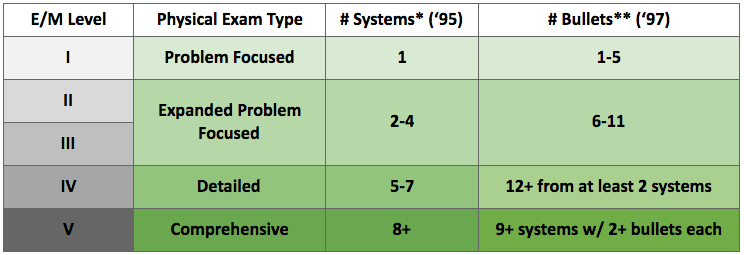
ED Charting and Coding: Physical Exam (PE)
Editor’s Note (Jan 13, 2023): The new AMA CPT 2023 Documentation Guidelines have been published and the prior physical elements are no longer incorporated into the billing and coding guidelines. See the ACEP FAQ page on the 2023 Emergency Department Evaluation and Management (E/M) Guidelines. “What do I see, hear, and smell when I walk into the room?” While the oral boards challenge you to perform the physical exam in a certain way, the day to day examination of patients can vary dramatically. Centers for Medicare and Medicaid Services (CMS), however, has physical exam guidelines for billing that conform [+]

Director of Growth, Strategic Alliance Initiative, Center for Innovation and Digital Health
Massachusetts General Hospital;
Chief Scientific Officer, Conductscience.com
Latest posts by Shuhan He, MD (see all)
- The Discharge Severity Index: Early Research on ED Readmission Risk Assessment - August 14, 2025
- Suboxone and the Emergency Physician: Get Waivered Training - August 12, 2022
- A Tale of Two Epidemics: COVID-19 and the Opioid Crisis - April 23, 2020